The Curious Case of Vintage Pillsbury Biscuits
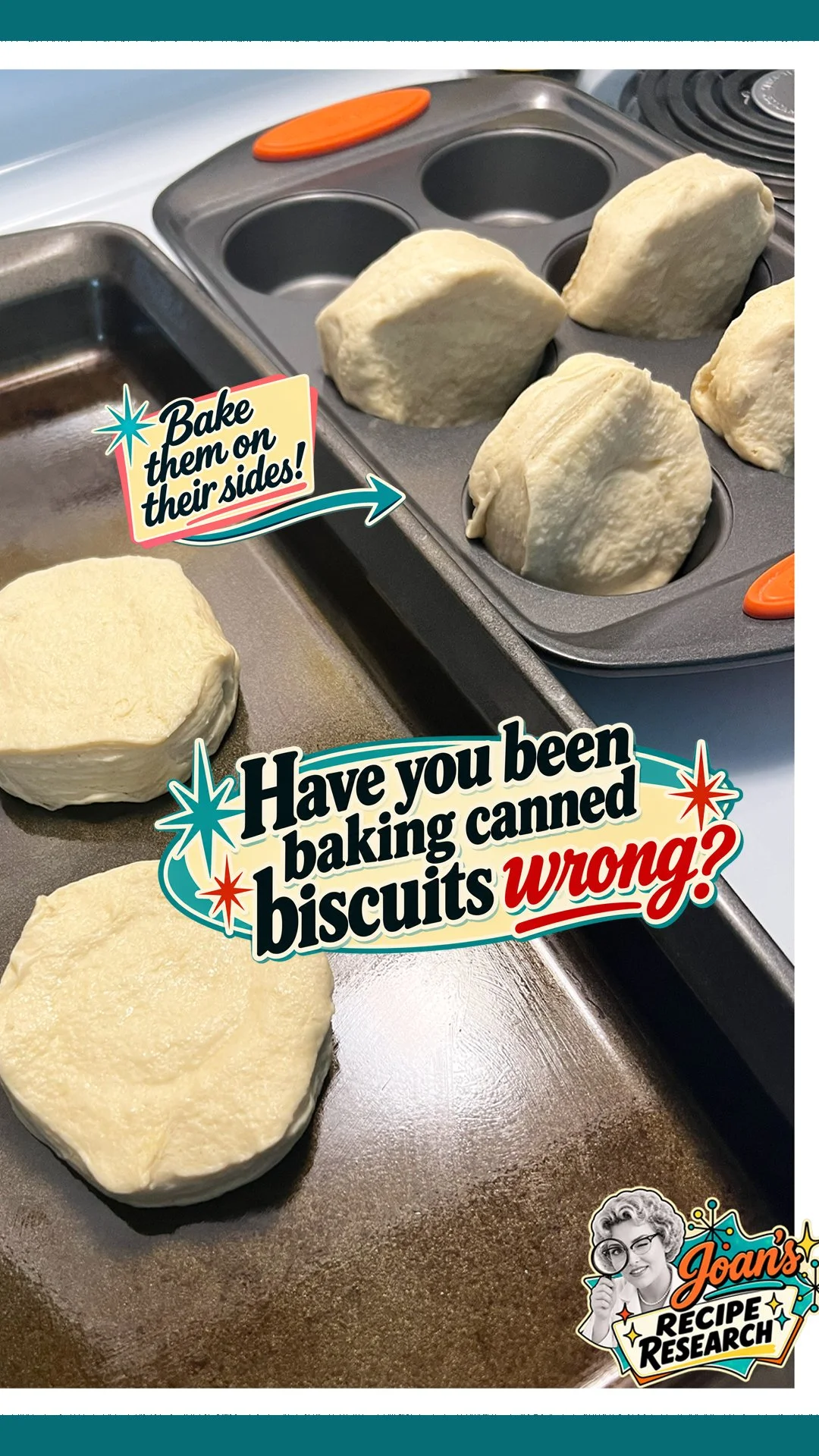
Have you been Baking Canned Biscuits Wrong Your Entire Life?
Published: September 13, 2026Before you grab your standard, flat cookie sheet and pop open the pressurized tube of dough we need to take a trip back to the mid-century.
It's a small change, but it says a lot about how home baking and even the biscuits themselves have evolved over the decades.
This blog contains affiliate links, which support the free content on this blog. As an Amazon Associates affiliate, I earn from qualifying purchases.
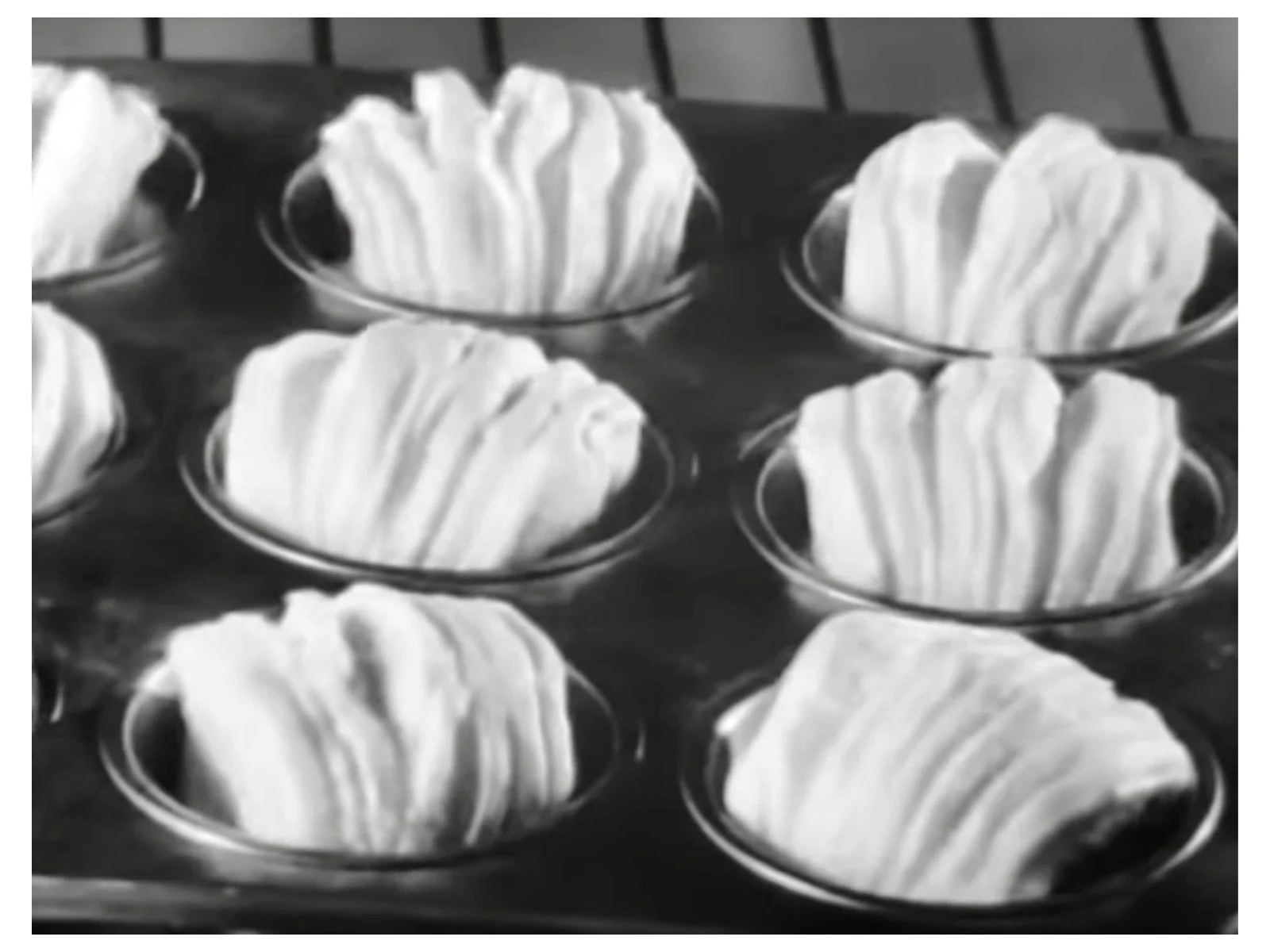
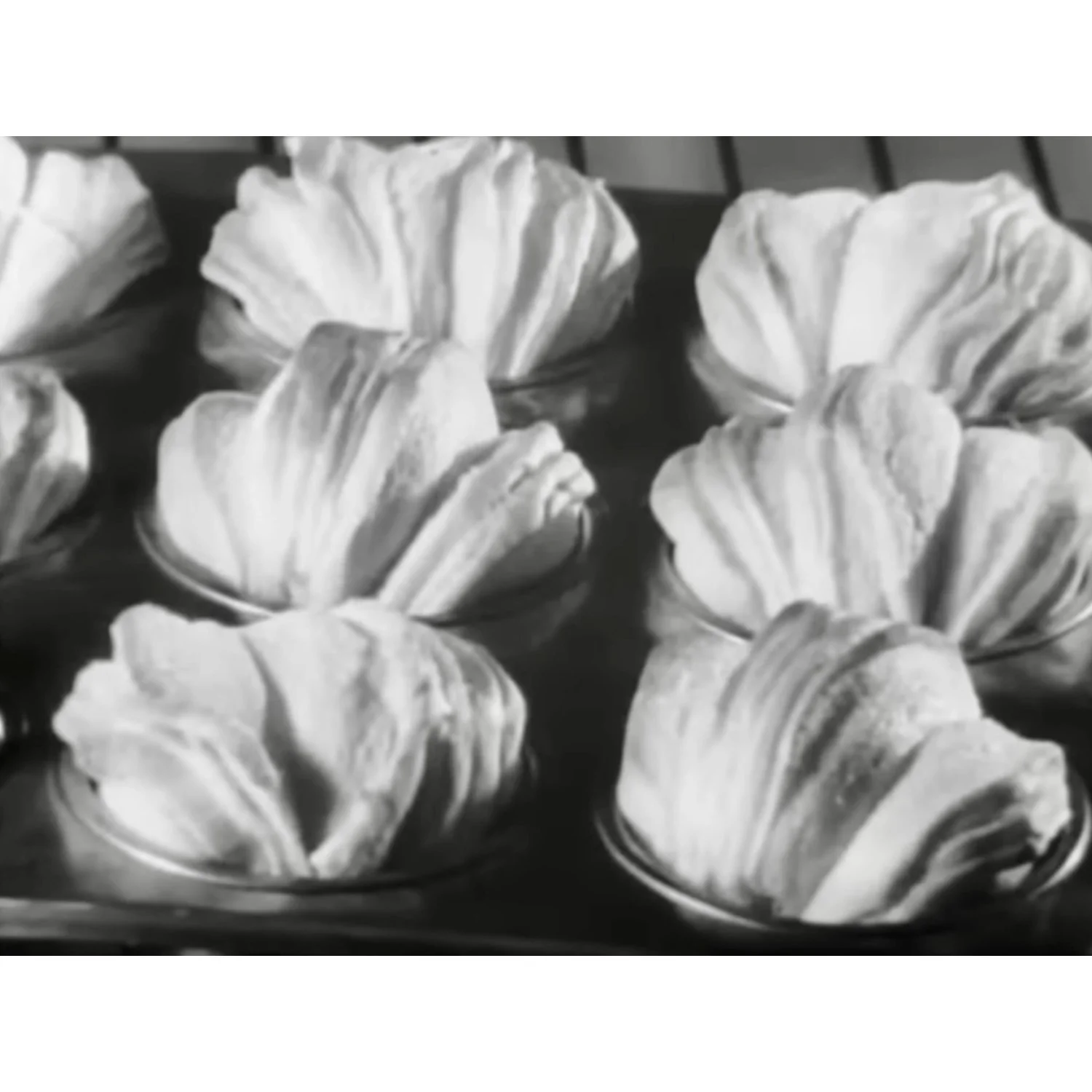
yes, they were baked on their sides!
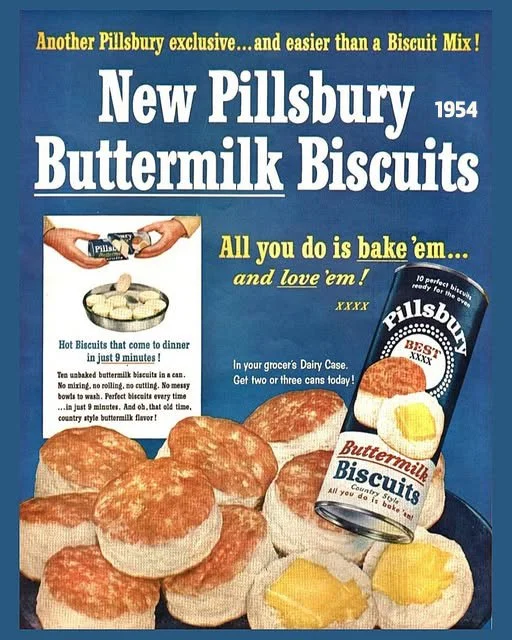
RECIPE PAPER TRAIL - Source
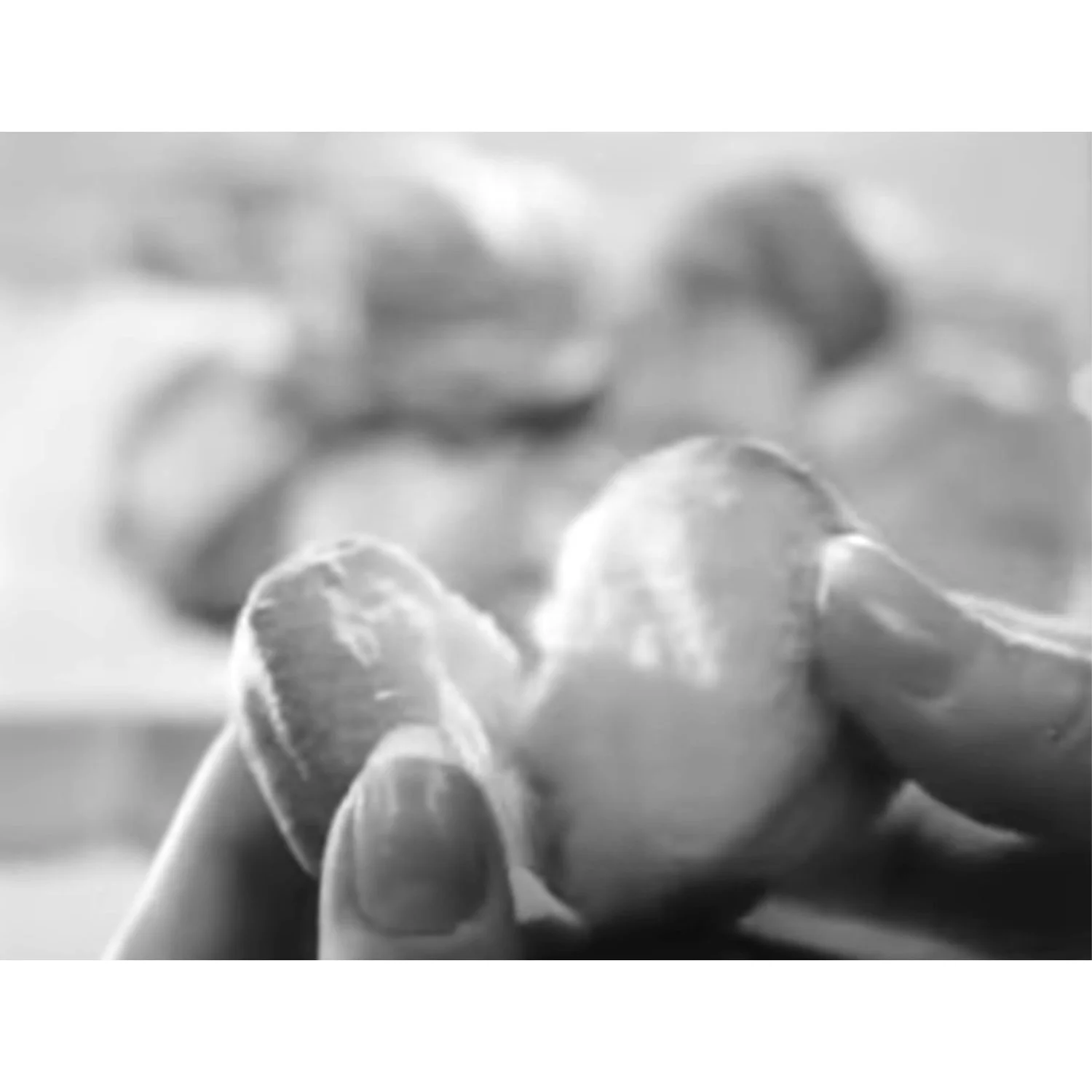
Vintage Pillsbury recipe/promotion, circa 1960s
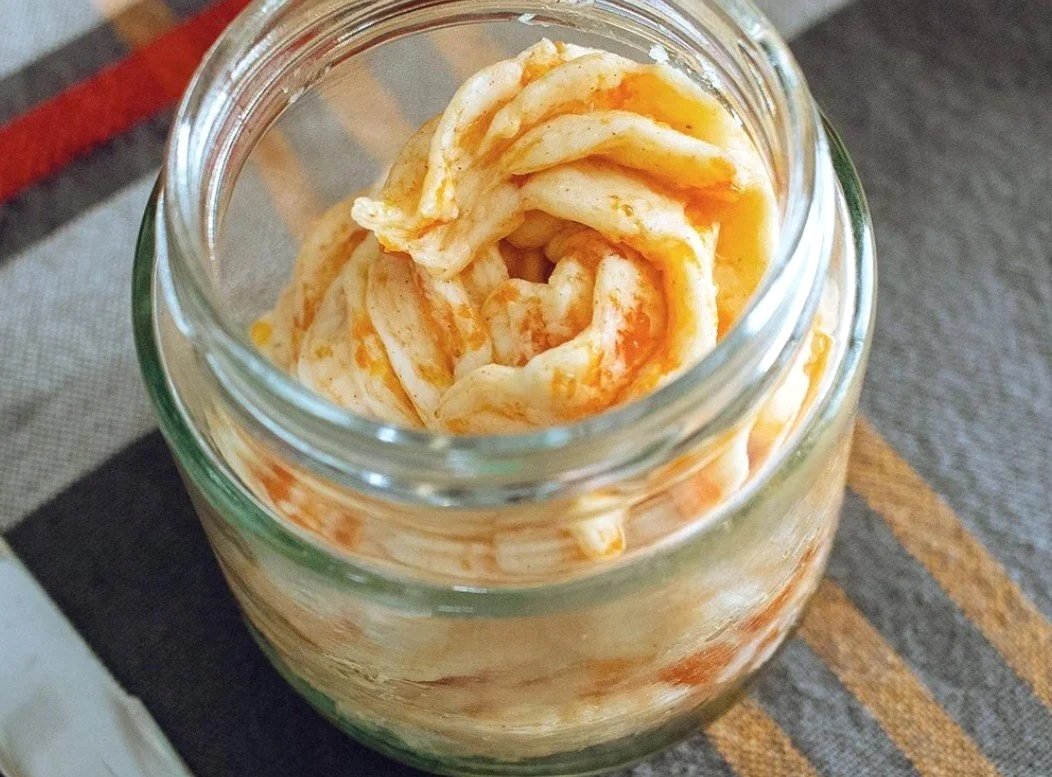
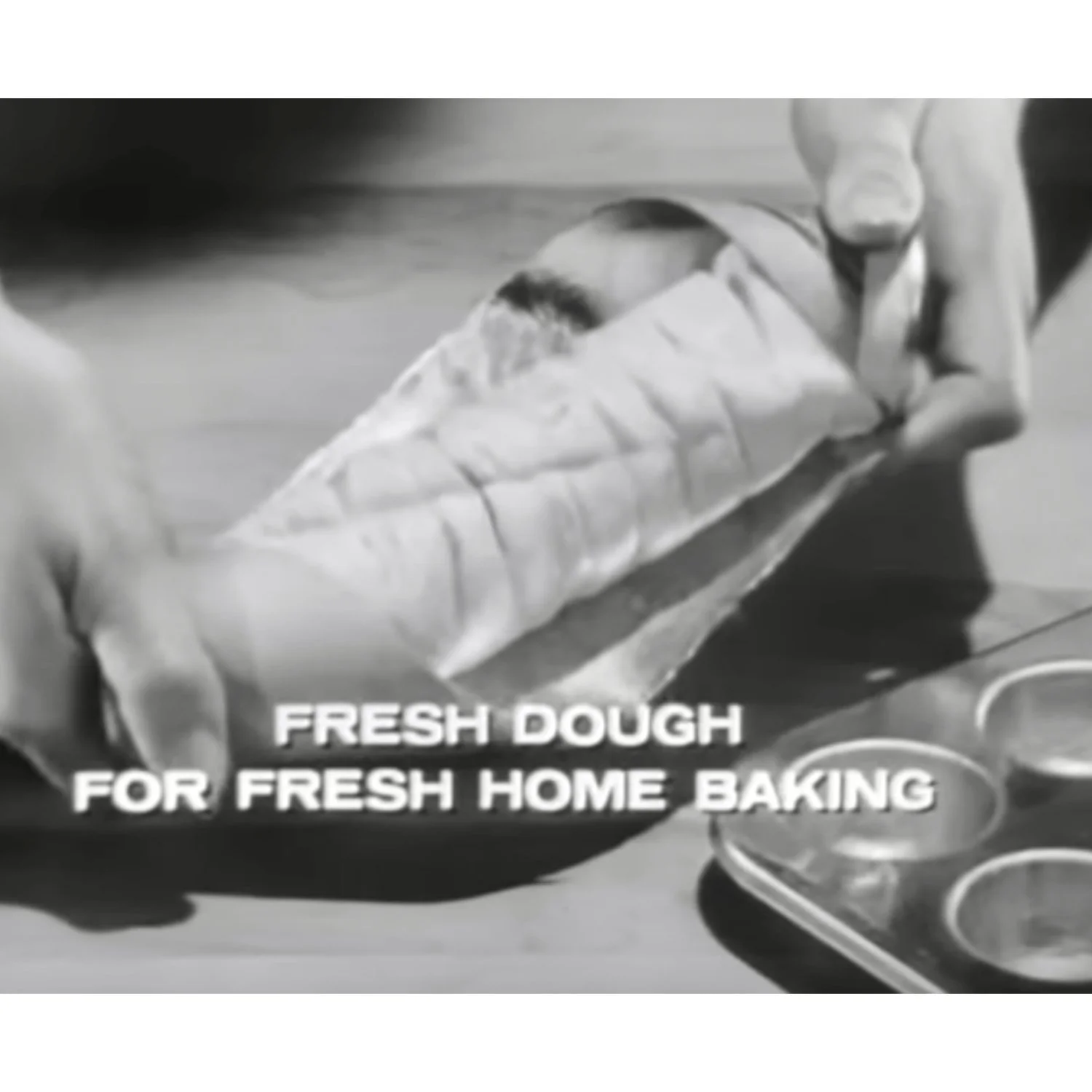
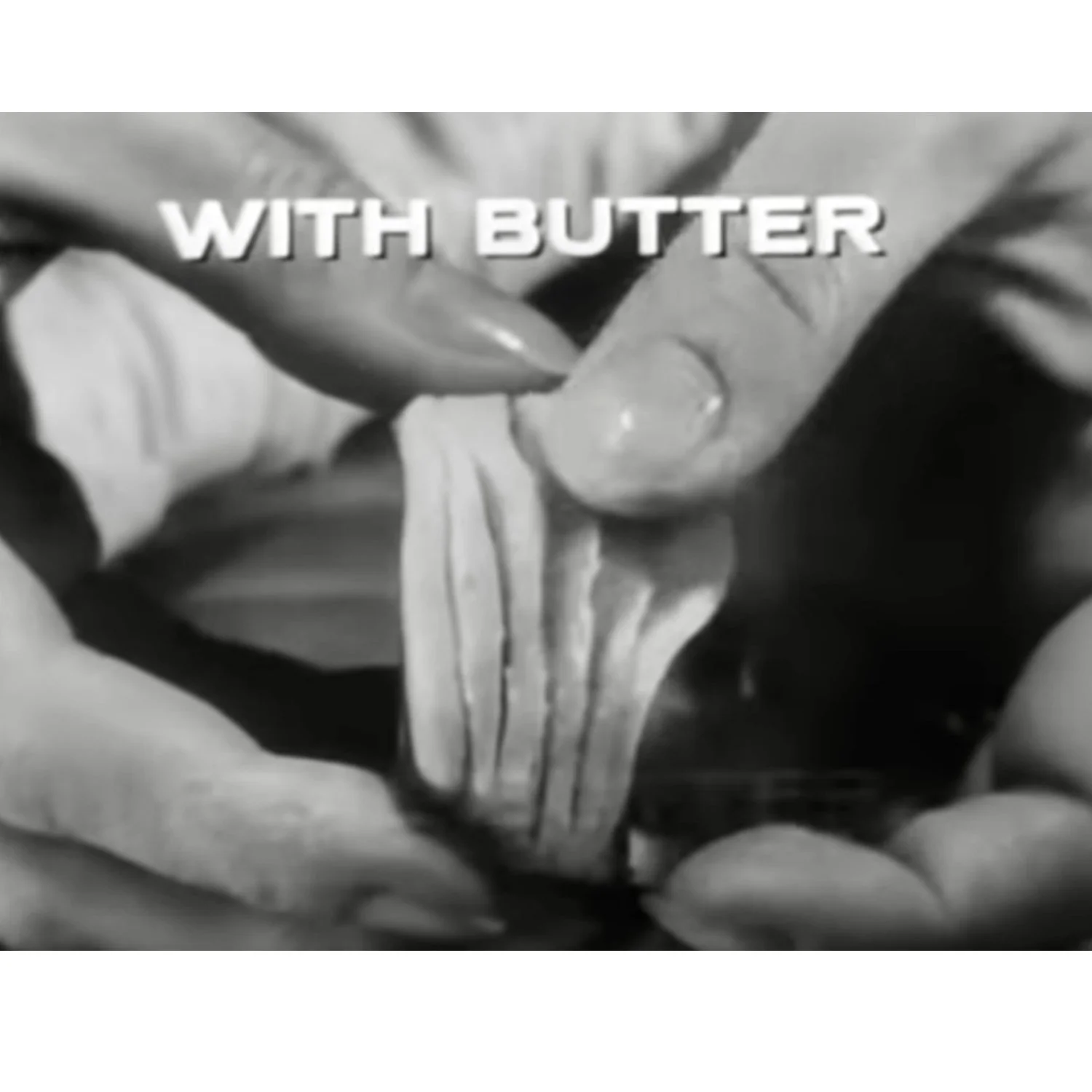
The images show refrigerated biscuit dough being opened, each biscuit turned onto its side, the layered dough fanning outward during baking in a muffin pan, and the finished biscuit being pulled apart to reveal its flaky interior. The gallery illustrates a popular mid-century baking technique once featured in vintage Pillsbury promotions.✦ The Vintage Method
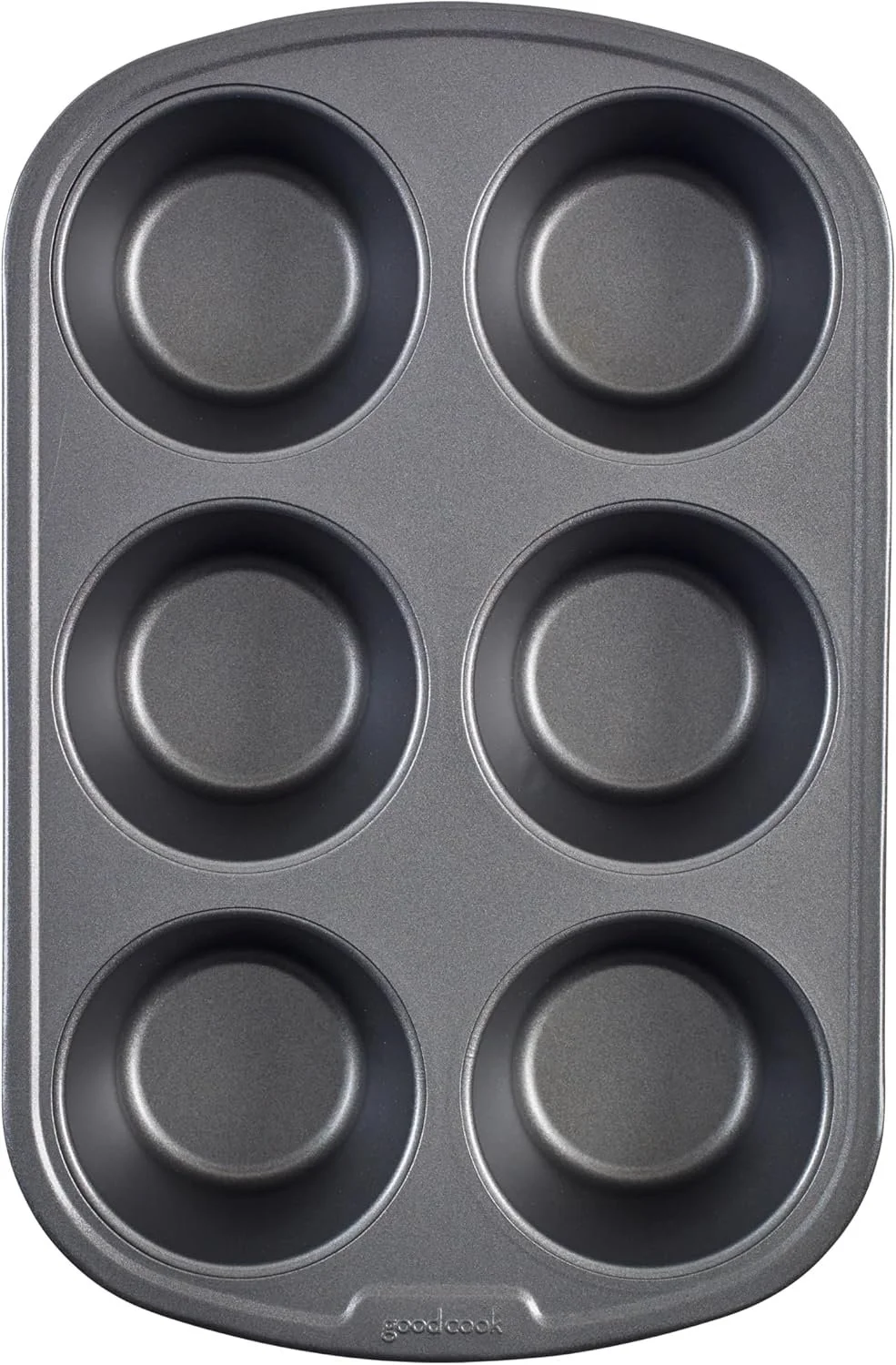
Place biscuit dough on its side in a lightly greased muffin pan.
As the biscuits bake in a hot oven, the flaky layers begin to fan outward, creating crisp, golden tops while encouraging the biscuits to rise. Serve warm, straight from the oven.
✦ Joan's Lab Notes
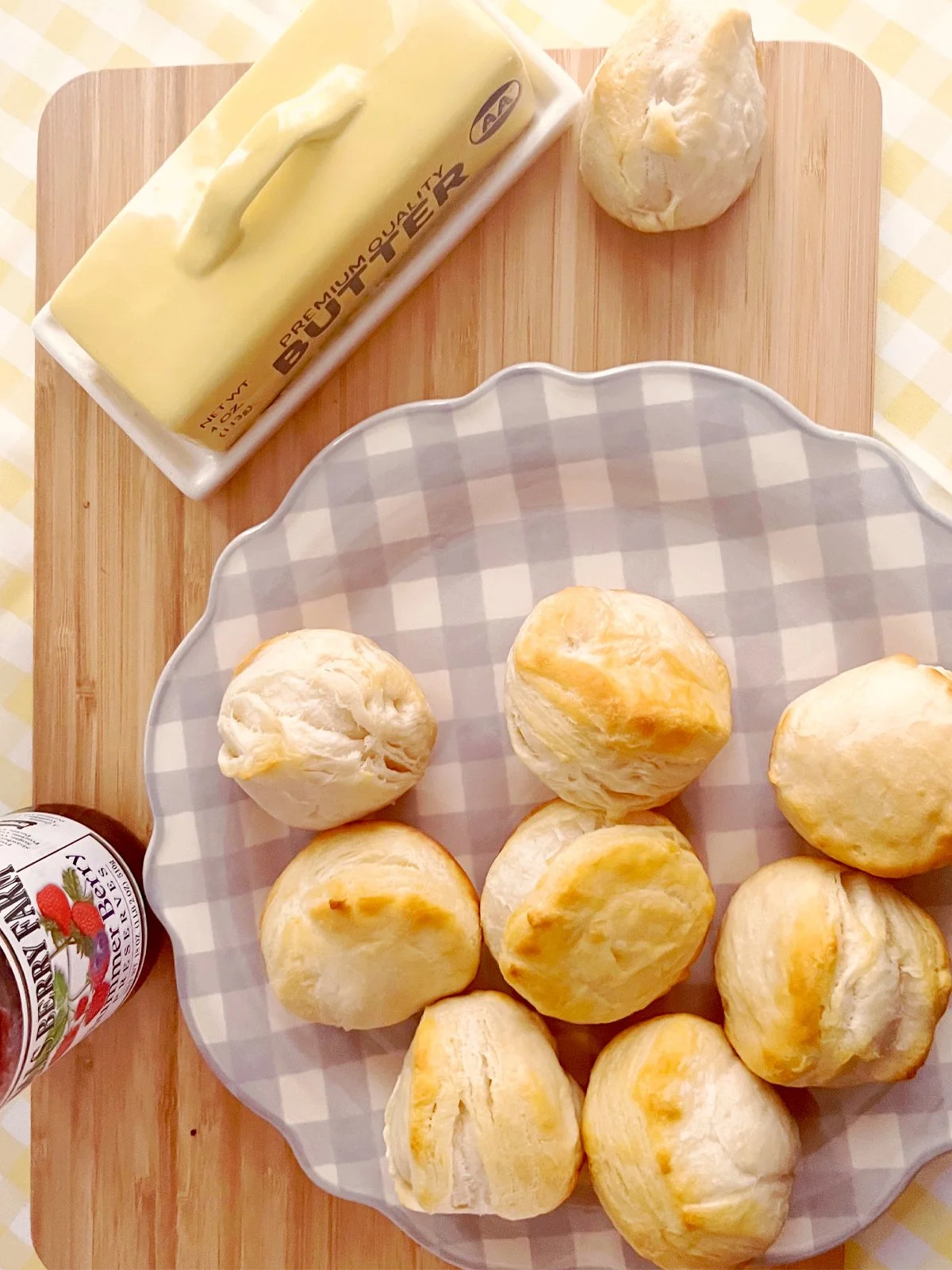
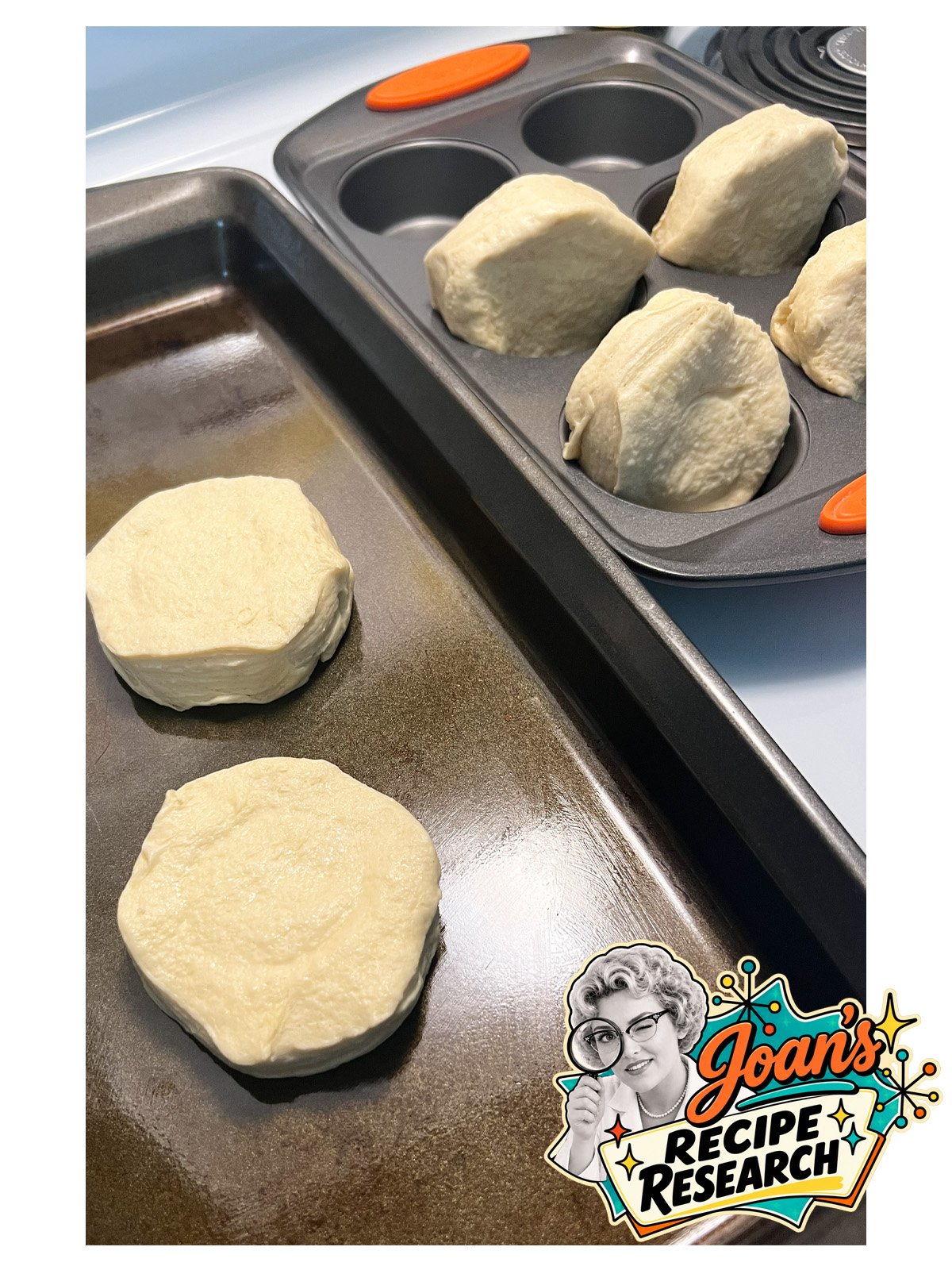
For this test, I used modern smaller, traditional-style canned biscuits. Following the package directions, I baked them at 375°F for 14 minutes in a lightly greased muffin pan, placing each biscuit on its side. (The Grands were to big)
The results were interesting. Some of the biscuits fanned out beautifully, while others baked into a more rounded, ball-like shape. Even so, they developed a charming homemade appearance with golden tops and plenty of flaky layers.
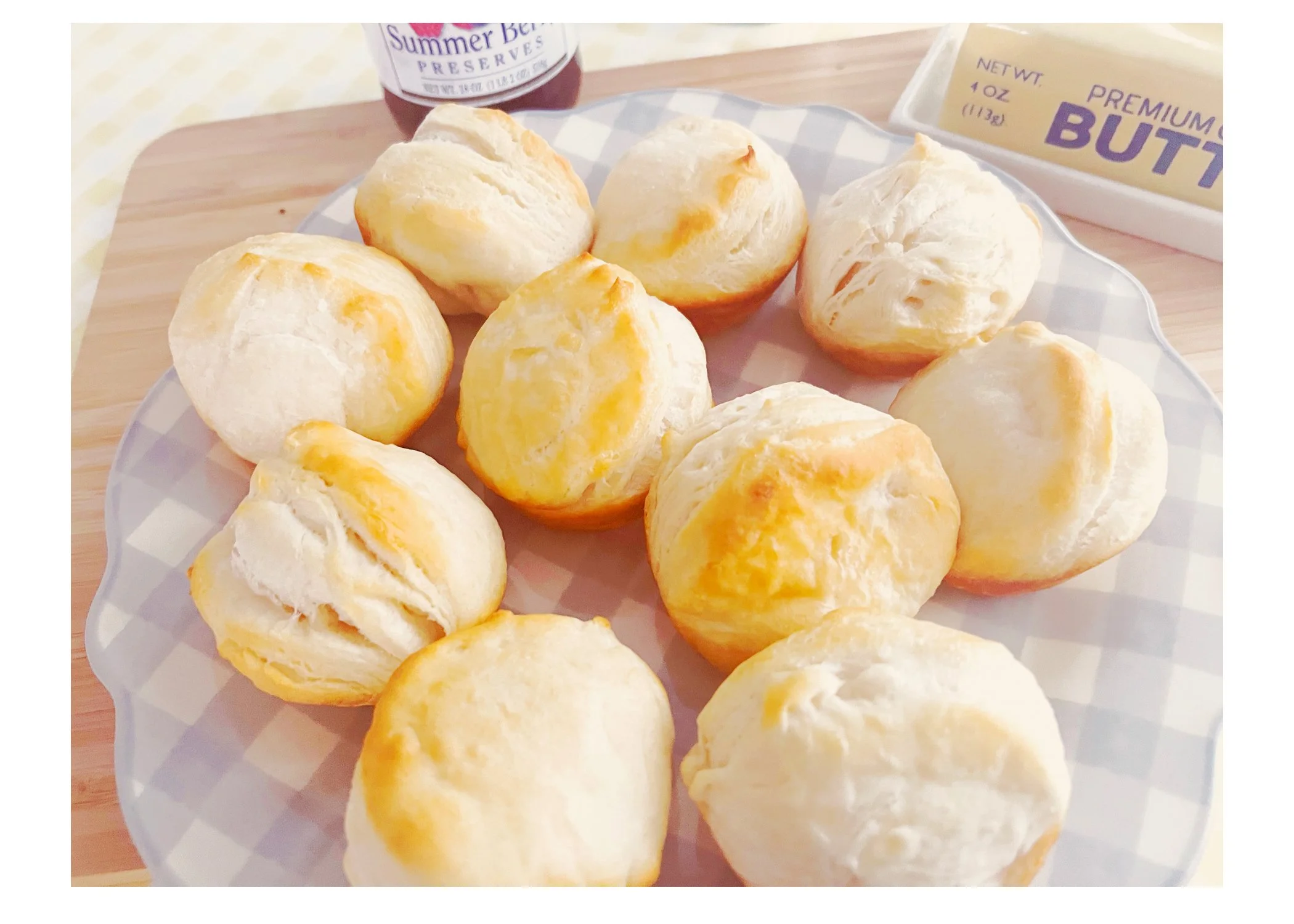
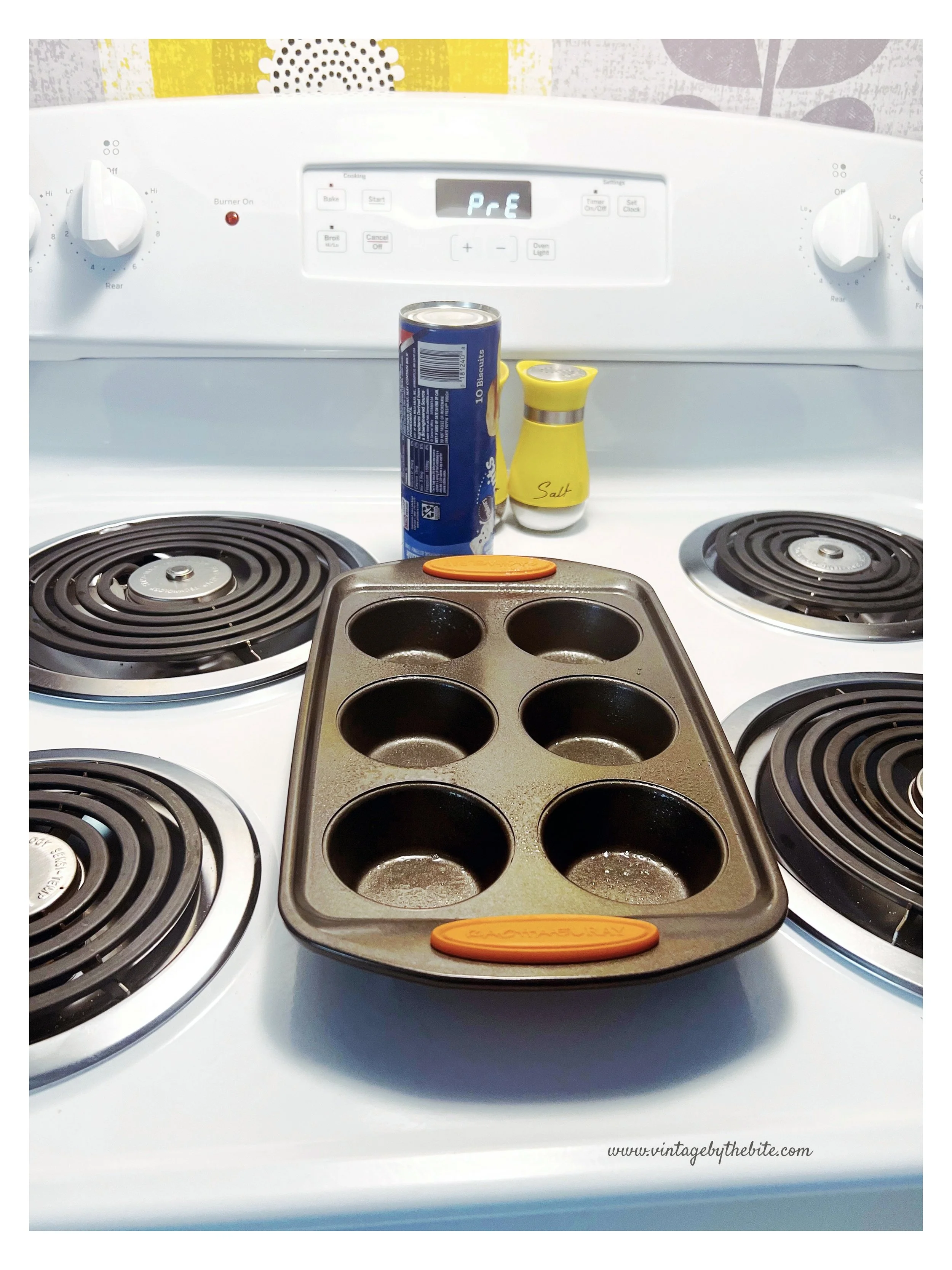
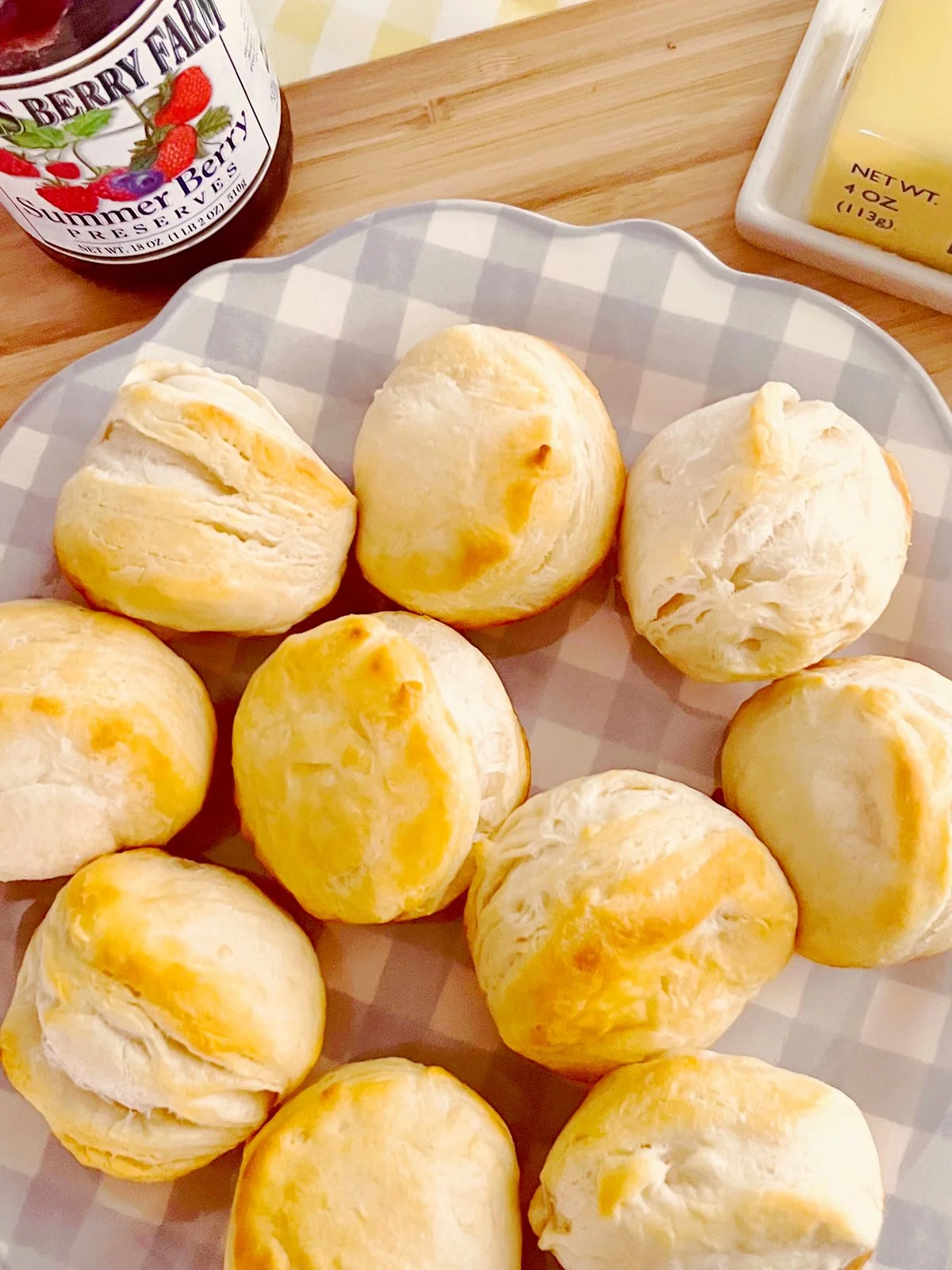
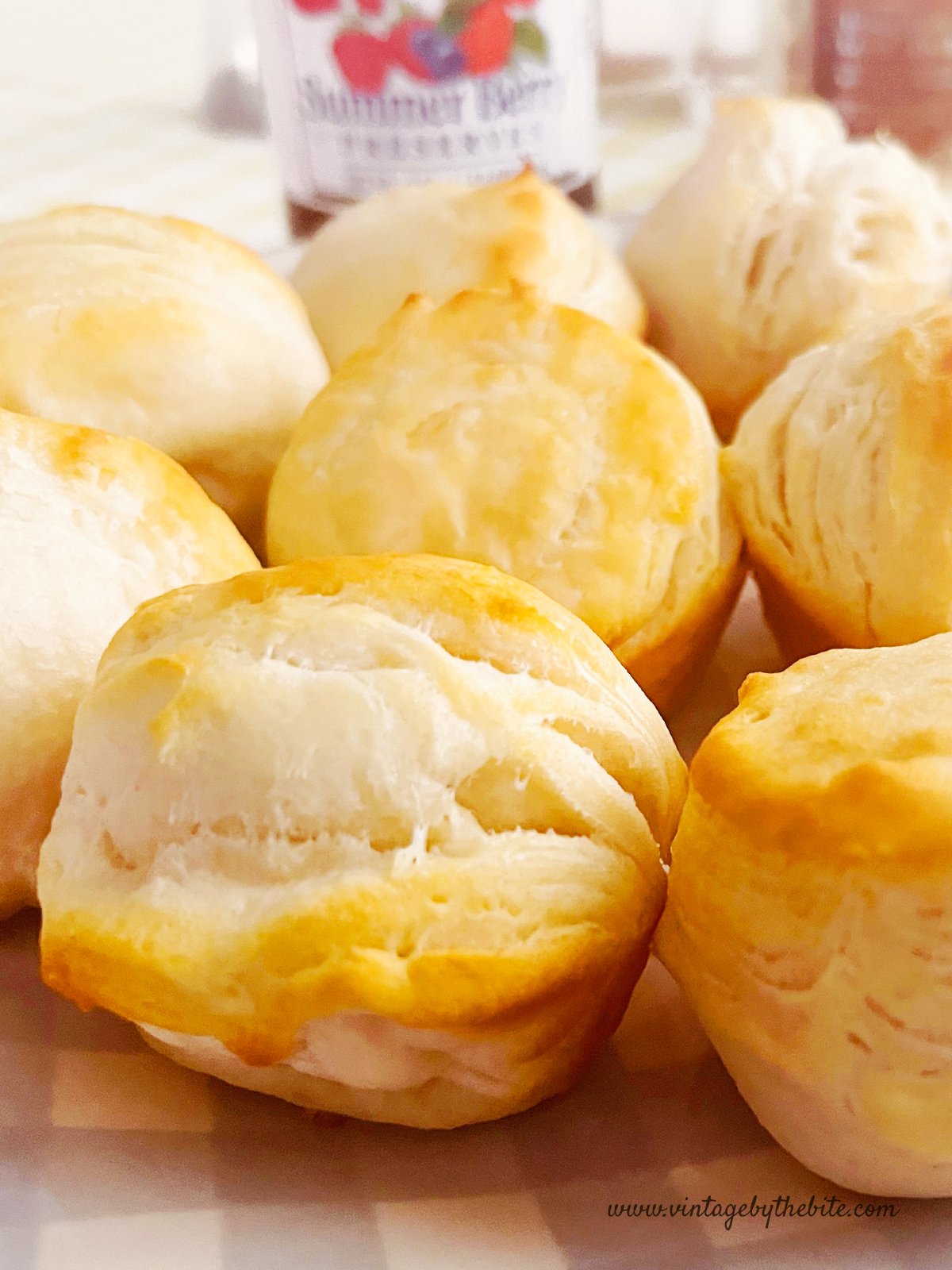
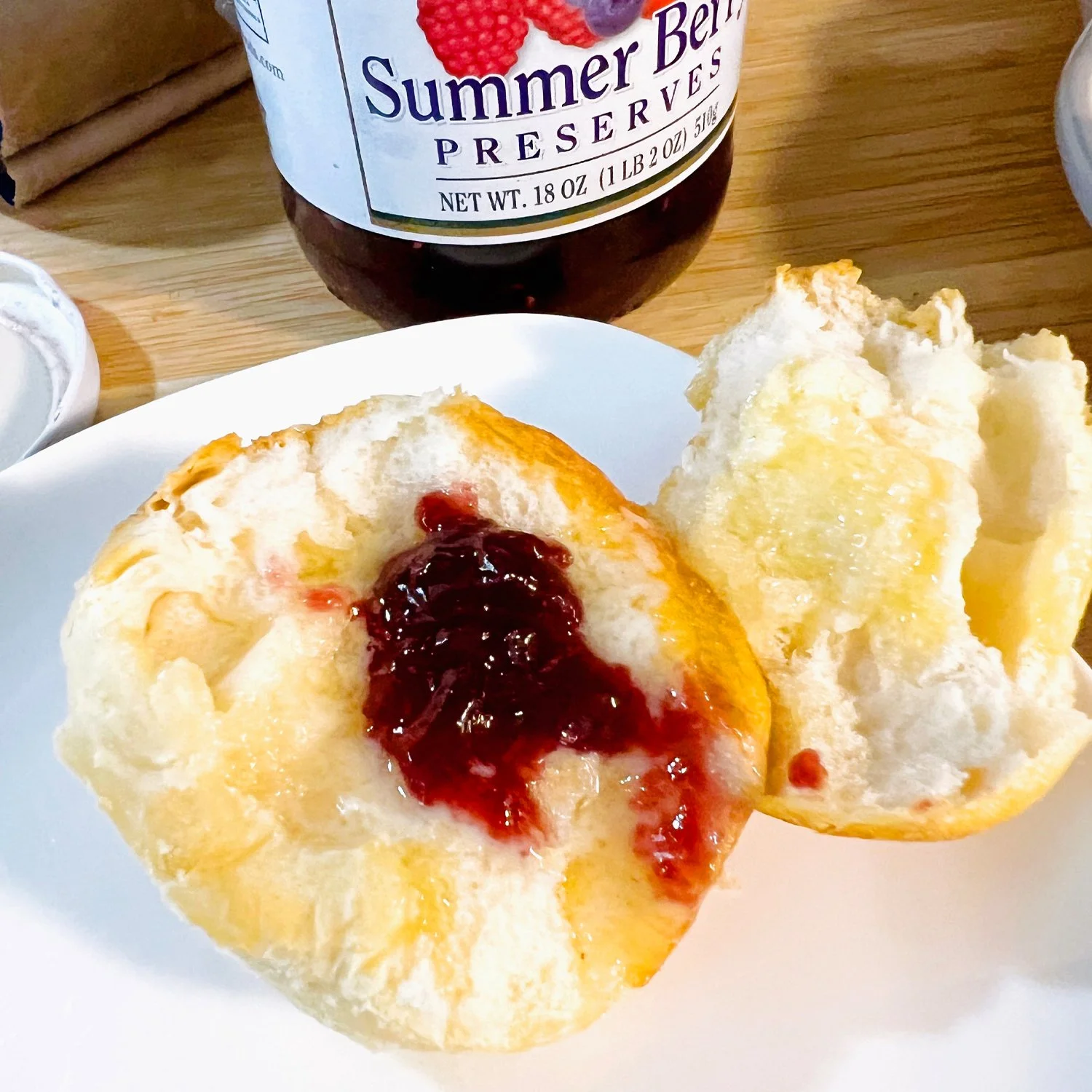
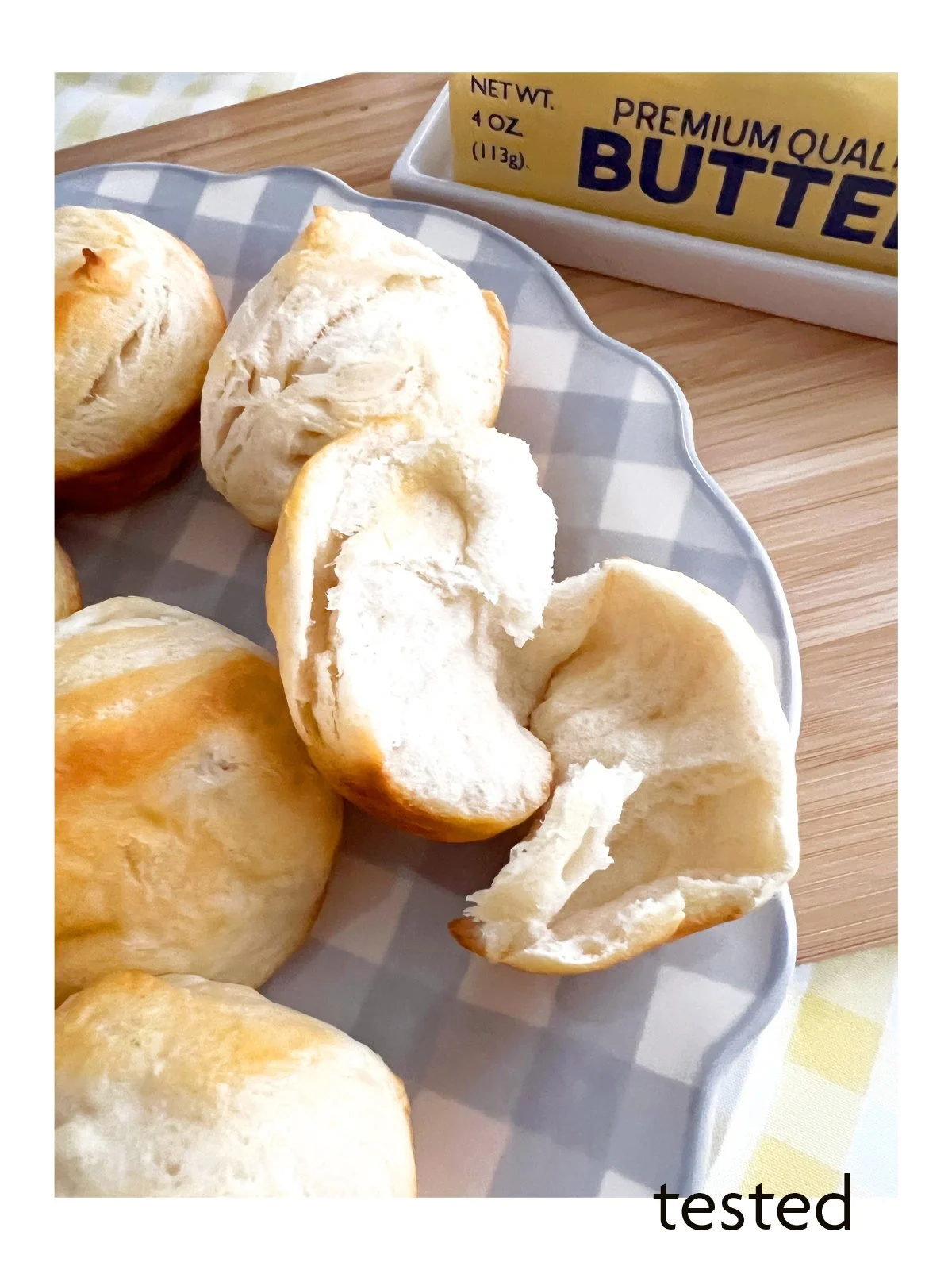
The images show a lightly greased muffin pan prepared for baking, the finished golden biscuits with rounded shapes and visible flaky layers, a close-up highlighting the layered texture, and a biscuit split open and topped with strawberry preserves. The gallery shows a classic mid-century baking technique using today's refrigerated biscuit dough.Why Modern Instructions Might Have Changed
A few practical reasons may help explain why more space between biscuits became the standard:
Consumers wanted crispier sides.
Home ovens became more consistent.
Baking sheets replaced smaller pans for many families.
Modern kitchens often favor evenly browned individual biscuits rather than the soft pull-apart style.
It's less about one method being right or wrong and more about changing cooking preferences.
Frequently Asked Questions
Can You Still Bake Them the Vintage Way?
Absolutely.
If you're after that nostalgic dinner-table biscuit many people remember from childhood, simply place the biscuits so they're lightly touching in a round cake pan or muffin pan. They'll bake taller with softer sides and separate into fluffy layers.
If you prefer crisp edges all the way around, leave space between each biscuit on a baking sheet.
The Bottom Line
Sometimes the smallest baking instructions tell the biggest stories. That simple line in an old Pillsbury recipe card reminds us that recipes evolve along with our kitchens, our equipment, and our tastes.
Whether you bake them the vintage way or the modern way, there's something wonderfully nostalgic about opening a can of biscuits and filling the kitchen with that familiar aroma.
🛒 Retro Shopping